
 0
0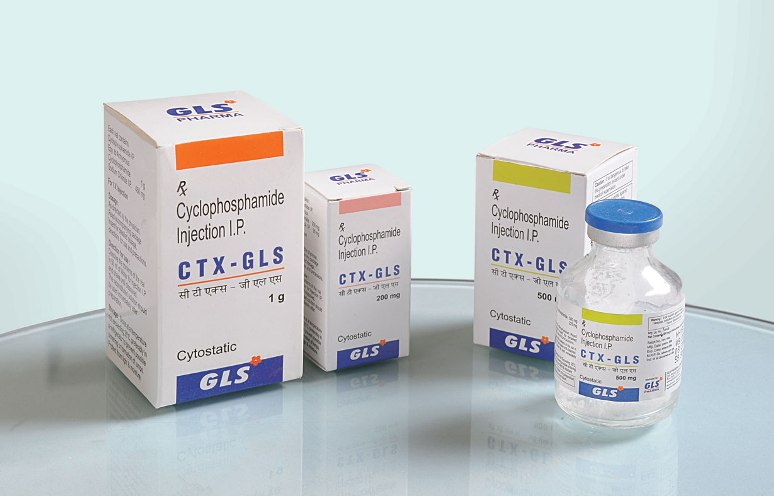
Description
Cyclophosphamide is among the older alkylating agents which has stood the test of time. Its proven benefits in a wide variety of cancers, including haematological malignancies, has made it an irreplaceable component of innumerous chemotherapy regimens. Cyclophosphamide is used in both malignant as well as non-malignant disease.
Indications:
Malignant Disease
- For the treatment of Malignant lymphomas (Stages III and IV of the Ann Arbor staging system), Hodgkin’s disease, lymphocytic lymphoma (nodular or duffse), mixed-cell type lymphoma, histiocytic lymphoma, Burkitt’s lymphoma
- Multiple myeloma
- Leukemias: Chronic lymphocytic leukemia, chronic granulocytic leukemia, (it is usually ineffective in acute blastic crisis), acute myelogenous and monocytic leukemia, acute lymphoblastic (stem-cell) leukemia in children (cyclophosphamide given during remission is effective in prolonging its duration)
- Mycosis fungoides (advanced disease)
- Neuroblastoma (disseminated disease)
- Adenocarcinoma of the ovary
- Retinoblastoma
- Carcinoma of the breast
Nonmalignant Disease
- CTX-GLS is useful in carefully selected cases of biopsy proven “minimal change” nephrotic syndrome in children but should not be used as primary therapy
- In children whose disease fails to respond adequately to appropriate adrenocorticosteroid therapy or in whom the adrenocorticosteroid therapy produces or threatens to produce intolerable side effects, cyclophosphamide may induce a remission
Note: Cyclophosphamide is not indicated for the nephrotic syndrome in adults or for any other renal disease.
|
Generic Name |
Strength |
Standard |
Type |
Packing |
Pack Size |
|
Cyclophosphamide |
200 mg |
IP |
INJ |
Vial |
20 ml |
|
Cyclophosphamide |
500 mg |
IP |
INJ |
Vial |
50 ml |



Reviews
There are no reviews yet.